Affordable Wetaskiwin Car Wrapping Near You
Upgrade Your Vehicle: Examining the Leading Vinyl Selections for Remarkable Auto Wraps
Auto wraps have grown in popularity for vehicle customization, offering both style and protection. Given the wide range of vinyl options, each designed for specific surfaces and price ranges, the choices can feel daunting. Grasping the differences between various finishes and materials is key to attaining the perfect appearance. As the conversation progresses, it is evident that the proper selection significantly affects both appearance and longevity. What criteria should guide the decision when picking the right wrap?
What Makes Car Wraps Superior to Paint Jobs?
Car wraps offer numerous benefits compared to conventional paint applications, rendering them a growing preference among vehicle owners. A key advantage is their straightforward installation and removal process. In contrast to traditional paint, that demands significant preparation and lengthy drying periods, wraps can be installed quickly, enabling a rapid vehicle makeover. Moreover, car wraps provide a protective layer across the automobile's original paintwork, protecting it against scratches, harmful UV rays, and environmental wear.
A key advantage worth noting is cost-effectiveness; wraps typically cost less than a full paint job while providing a distinctive appearance. They additionally provide exceptional design versatility, giving owners the freedom to pick from a wide variety of colors and designs without the permanence associated with traditional paint. In addition, wraps can be effortlessly updated, enabling new looks without a substantial financial commitment. Collectively, these advantages drive the rising demand for vehicle wraps among drivers who desire both a visual enhancement and reliable protection for their automobiles.
What Are the Different Types of Vinyl for Car Wraps?
When evaluating options for vehicle wraps, being aware of the various vinyl options available is crucial for obtaining the ideal aesthetic and performance. The most common types of vinyl for car wraps include specialty vinyl, cast vinyl, and calendered vinyl.
Cast vinyl is renowned for its long-lasting quality and flexibility, making it ideal for challenging surfaces and lasting installations. Calendered vinyl, by comparison, presents a more affordable solution but is less flexible, making it better suited for level surface applications.
Special vinyl varieties feature metallic, reflective, and carbon fiber textures, providing exceptional styles that elevate a vehicle's overall look. Every vinyl variety carries its own unique properties, such as durability, thickness, and installation methods. Picking the correct vinyl is vital for obtaining superior results that suit personal taste and the demands of the vehicle.
Glossy or Matte: Which Finish Is Right for Your Style?
How does one choose between glossy and matte finishes for a vehicle wrap? The decision often copyrights on personal preference and the look one wants to achieve. Glossy wraps are recognized for their striking, vivid visual appeal, boosting color depth and offering a clean, lustrous finish. They are perfect for anyone looking for a brilliant, head-turning finish that highlights the vehicle's contours.
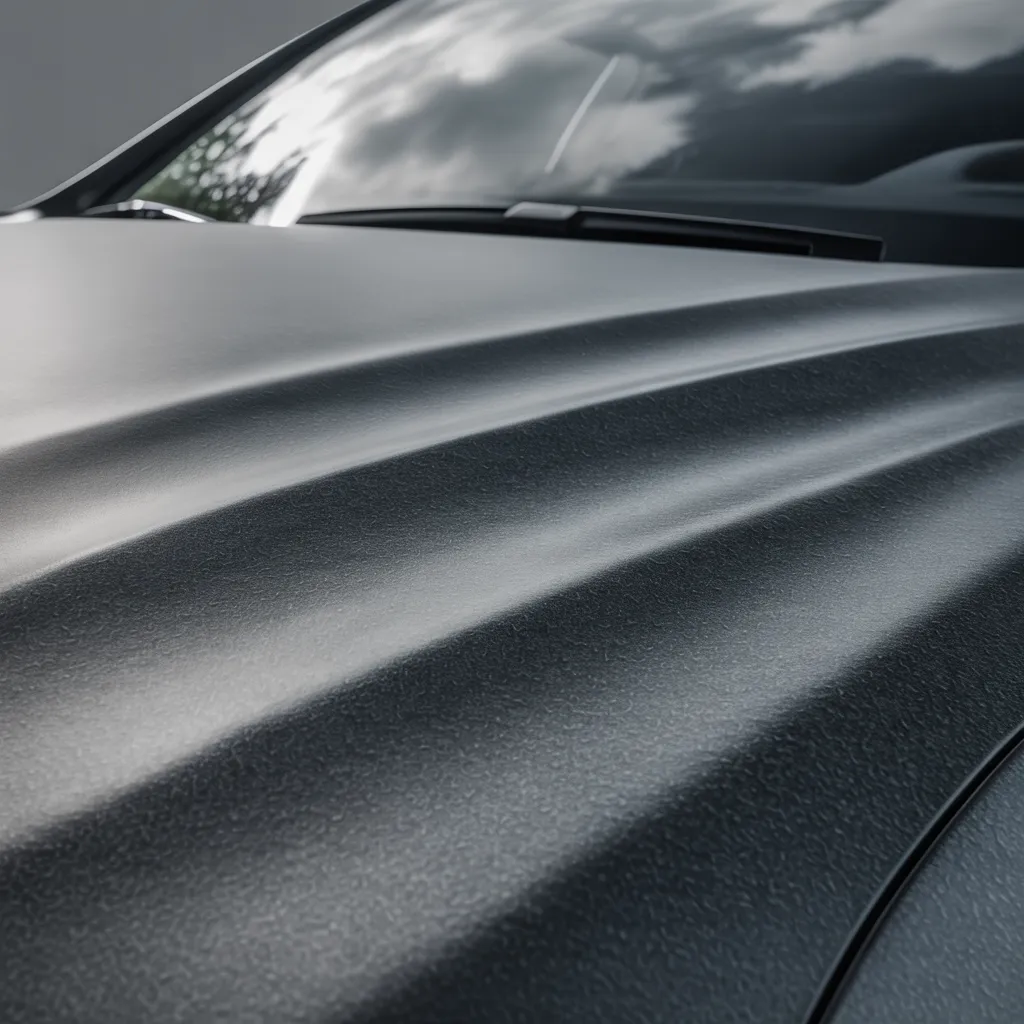
In contrast, matte finishes offer a subtler, modern appeal. They deliver a one-of-a-kind texture that can give cars a refined edge while reducing reflections and glare. This surface treatment can often communicate a more understated elegance, appealing to those who prefer a standout yet sophisticated appearance.
At the end of the day, selecting between glossy and matte is purely a matter of personal style, as each finish brings its own distinct benefits and aesthetic qualities, giving vehicle owners the opportunity to reflect their personal style through their chosen wrap.
What Is the Lifespan of Your Vinyl Wrap?
What considerations impact the lifespan of a vinyl wrap? The lifespan of a vinyl wrap typically ranges from three to seven years, depending on various conditions. Quality of the vinyl plays an important role; premium materials often outlast cheaper alternatives. Exposure to the environment is also a major consideration; sunlight, temperature extremes, and severe weather can speed up deterioration and discoloration. Correct installation is critical; wraps that are improperly applied may lift or develop bubbles, shortening their effective life. Routine upkeep, such as careful cleaning and steering clear of harsh chemicals, can help prolong the wrap's longevity. Furthermore, the position of the wrap on the vehicle influences its resilience; areas subject to greater friction or debris tend to wear out more quickly. In the end, being aware of these factors empowers vehicle owners to make well-informed choices, helping to keep their vinyl wrap looking fresh and durable for an extended period.
Which Vinyl Thickness Is Right for Your Car Wrap?
Selecting the right thickness of vinyl for a car wrap is vital for maintaining both visual appeal and durability. Generally, a gauge measurement of 2-4 mils is recommended, as it offers a balance between pliability and strength. Heavier vinyl often boosts resilience but can also present challenges related to conformability and application.
Ideal Thickness Range
When selecting vinyl for a car wrap, understanding the ideal thickness range is essential for achieving the finest results. Generally, vinyl thickness ranges from 2 mils (0.002 inches) to 6 mils (0.006 inches). Vinyl on the thinner side, around 2 to 3 mils, delivers flexibility, enabling it to conform smoothly to curves and contours. That said, it might be more susceptible to wear and tear. Conversely, thicker vinyl, around 4 to 6 mils, delivers greater durability and a more enduring visual appeal. This balance between flexibility and durability is vital for optimal application and longevity. Ultimately, the thickness chosen should correspond to the particular requirements of the vehicle and the intended aesthetic outcome, ensuring that both performance and visual appeal are maximized.
Effect on Long-Term Durability
Durability serves a critical function in choosing the appropriate vinyl thickness for car wraps. Heavier vinyl, usually falling between 2 and 6 mils, offers enhanced resistance to wear, tearing, and environmental factors. This added thickness shields the vehicle's exterior from scratches, UV damage, and weather-induced wear. That said, although thicker vinyl offers greater durability, it can be less pliable, making application more challenging, particularly on curved areas. On the other hand, thinner vinyl may be simpler to work with but could demand more frequent replacement as a result of wear and tear. At the end of the day, the best thickness achieves a balance between longevity and ease of application, ensuring the vehicle wrap remains visually striking and protective over the long term.
How to Plan Your Car Wrap Budget
When planning a budget for a car wrap, it is crucial to establish the overall cost of the wrap material itself. Furthermore, installation fees should be considered, as they can considerably affect the final price. A thorough understanding of these elements will aid in creating a practical budget.
Establish Total Wrap Cost
Budgeting for a car wrap requires careful consideration of various factors that influence the total cost. The key element is the vinyl material chosen, which fluctuates in pricing according to finish and overall quality. Additionally, the vehicle's size and type play a significant role; larger vehicles or those with complex shapes often incur higher costs. Customers should also account for required preparatory work, such as addressing surface imperfections or cleaning, which can increase the total cost. Creating a budget is crucial that accounts for these factors while allowing for potential unexpected costs. By evaluating these elements, individuals can create a realistic financial plan for their car wrapping endeavor.
Consider Installation Fees
Installation costs are a key element in the overall cost of a vehicle wrap and must not be ignored during the budgeting process. Such costs can differ greatly based on the complexity of the installation, the skill level of the installer, and the vehicle's dimensions. Typically, expert installation ensures an exceptional result, lowering the likelihood of air pockets or positioning errors.
To plan finances wisely, it is recommended for car owners to get estimates from several installers, evaluating services and skill levels. Certain installers may provide bundled packages that include both materials and installation, which can provide better value. Budgeting for these costs in advance will prevent unexpected costs and guarantee a smooth, successful wrap application.
Essential Tips for Keeping Your Car Vinyl Wrap in Top Condition
Preserving a car vinyl wrap is vital for protecting its striking appearance and maximizing its lifespan. Frequent washing is necessary; employing a soft sponge or cloth with gentle soap helps remove dirt and contaminants without compromising the vinyl. It is recommended to avoid automatic car washes with brushes, as they can scratch the surface.
Furthermore, adding a protective coating can enhance durability and resistance to UV rays. Parking in shaded areas or using a car cover can additionally protect against sun damage and fading.
It is essential to address any scratches or tears promptly to keep moisture from getting under the wrap, which can lead to peeling. Additionally, routine checks for any signs of wear can assist in detecting problems before they worsen, ensuring the wrap remains in excellent condition. By following these tips, car owners can enjoy the aesthetic benefits of their vinyl wraps for years to come.
Common Questions and Answers
Should I Wrap My Car Myself, or Is It Better to Hire a Professional?
Wrapping a car oneself is possible but requires skill and patience. Working with a professional secures an immaculate outcome, as they possess experience and tools that can greatly reduce mistakes and enhance the overall appearance.
How Do Weather Conditions Affect the Durability of Car Wraps?
Climate conditions notably influence vinyl wrap longevity. Severe weather, humidity, and prolonged UV radiation can lead to color fading, material peeling, or bubble formation. Correct installation and regular upkeep are critical for longevity in varying environmental conditions.
Do Car Wraps Have Any Color Restrictions?
Color constraints for car wraps stem primarily from the range of available vinyl shades and textures. Although the majority of colors can be sourced, some custom shades may need special orders, which could raise costs and extend lead times for customers.
Does a Car Wrap Influence My Vehicle's Resale Value?
Vehicle wraps can affect both positively and negatively resale value. A professionally applied wrap is likely to appeal to buyers seeking customization, whereas improper installation or visible damage could evaluation turn away interested buyers, impacting overall vehicle desirability and marketability.
Is It Possible to Remove a Vinyl Wrap Without Harming the Paint Underneath?
Indeed, vinyl wrapping can typically be peeled away without affecting the base paint, so long as it was properly applied and the paint is in excellent condition. Correct technique and tools can additionally reduce any possible damage during extraction.